Freelance marketplace
Put your skills to work. Get paid in tokenized stocks.
Taskly is a proposed freelance marketplace where clients hire people for services and pay them in supported tokenized stocks. Freelancers list their skills, complete jobs, and receive the agreed stock tokens directly into an eligible wallet.
Skills for hire, paid in stock tokens







Everything an order needs, in one place
An earnings dashboard that tells the two apart
Tokens received are shown separately from their changing estimated market value. Once an order is funded the token quantity stays fixed; its dollar value can rise or fall while the freelancer works, and Taskly makes that explicit rather than promising a fixed dollar payout.

Terms agreed before the job starts
The parties confirm deliverables, deadline, revisions, accepted stock token, fees, and payment amount. The client funds the order and the freelancer sees that it is funded before starting.



Service listings, checkout, escrow, delivery and reviews
Taskly combines service listings, freelancer profiles, client briefs, messaging, delivery, reviews, and an escrow workflow in one place. It is an independent marketplace with familiar hiring and delivery tools.




Stock-token checkout with an exact token amount
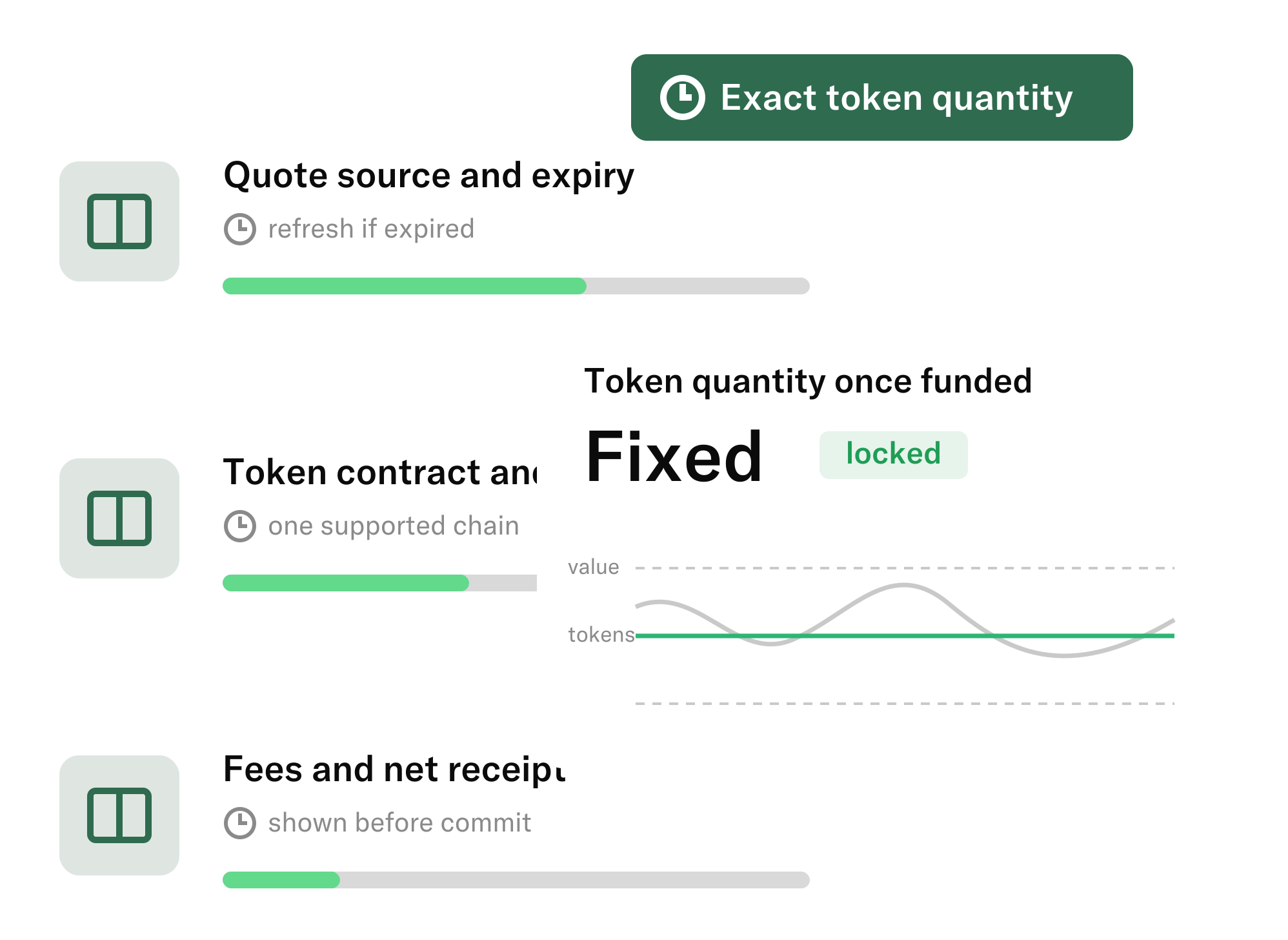
A service can display a dollar reference price, but the exact token quantity is agreed and locked when the order is funded. Checkout shows the quote source, expiry, selected token contract, network, fees, and the freelancer's net receipt.
Milestones for larger projects
Larger projects can use separately funded milestones. For a website project the same flow can split design and implementation, each funded and released on its own approval.

From listing to payout, on agreed terms
A client finds a service, agrees on the deliverables, and funds the order. The freelancer delivers, the client reviews it, and the payment is released.
List or post a job
Freelancers list services such as design, development, writing, translation, and video editing. Clients browse listings or post a brief for custom proposals.

Agree on the terms
The parties confirm deliverables, deadline, revisions, accepted stock token, fees, and payment amount.

Fund the order
The client deposits the agreed stock tokens into a compatible escrow arrangement. The freelancer sees that the order is funded before starting.
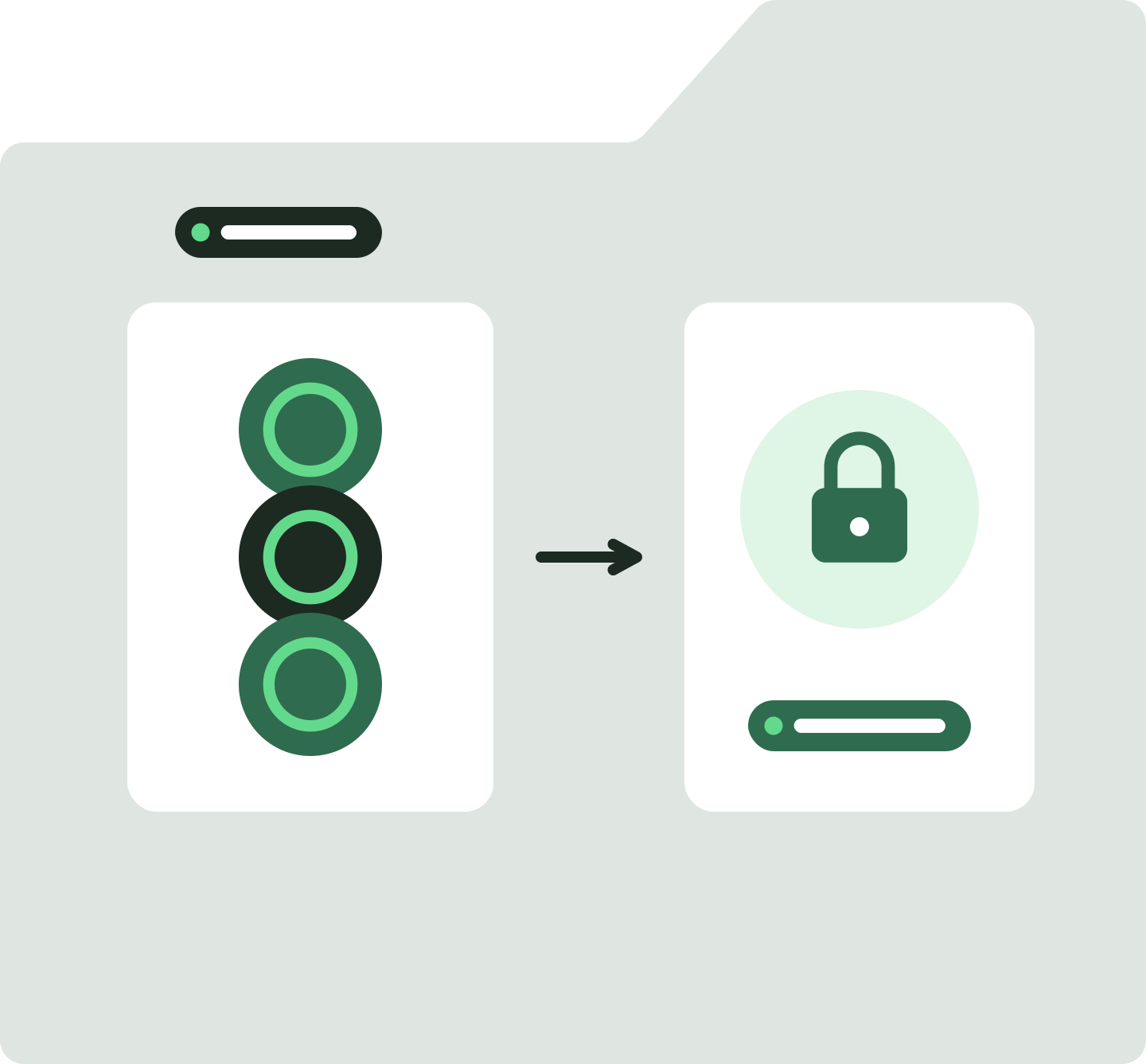
Deliver and release
The freelancer submits the work through the order page. The client approves it, requests revisions within scope, or opens a dispute. Approval releases the tokens to the freelancer's wallet.
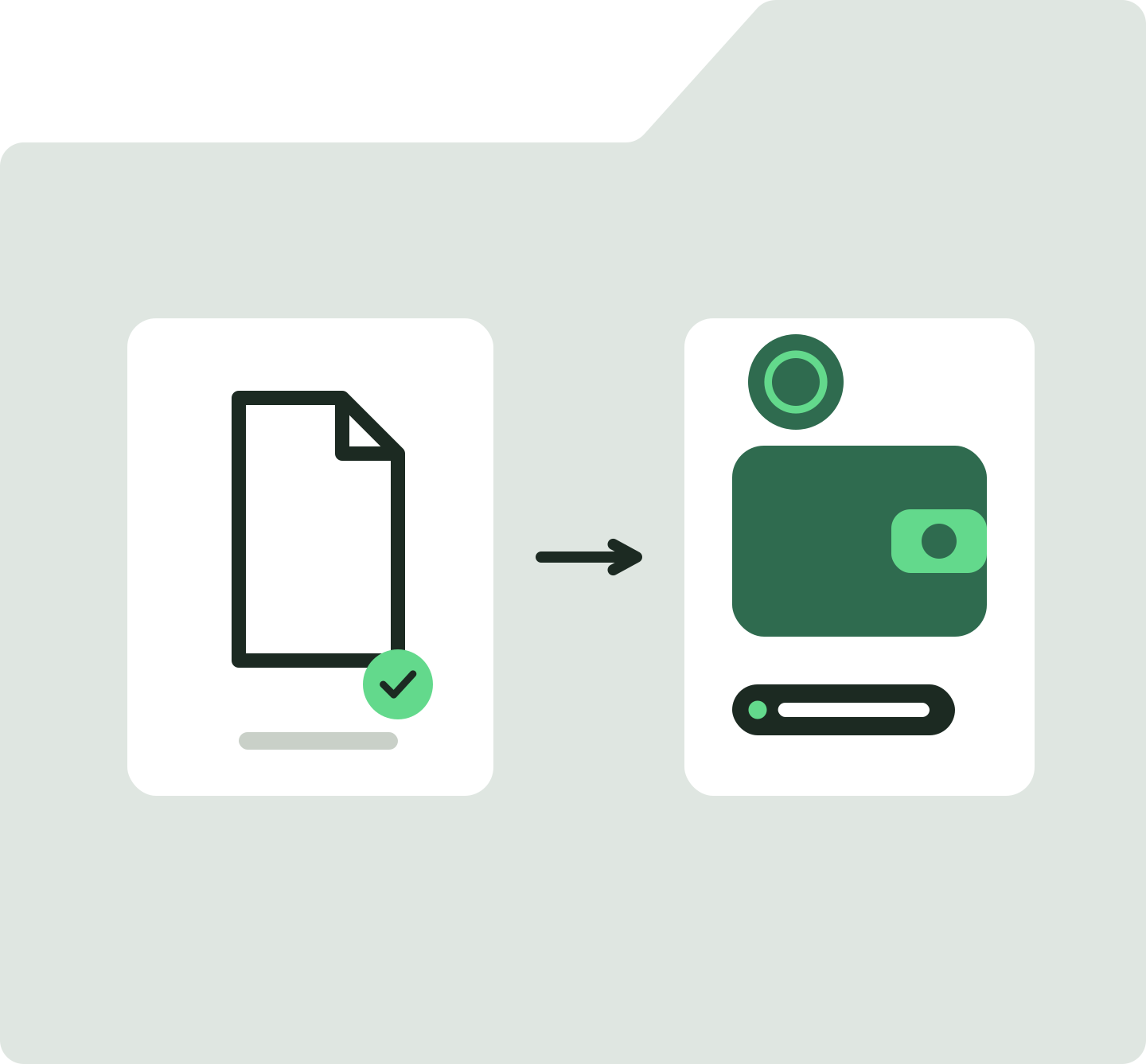
How pricing should work
A dollar reference price on the listing, an exact token quantity locked when the order is funded.
A dollar reference price
For the first version, a service can display a dollar reference price, but the exact token quantity is agreed and locked when the order is funded.

A transparent checkout
Checkout shows the quote source, expiry, selected token contract, network, fees, and the freelancer's net receipt. An expired or unavailable quote must be refreshed before funding.

A fixed token quantity
Once funded, the token quantity stays fixed. Its dollar value can rise or fall while the freelancer works. Taskly makes this explicit rather than promising a fixed dollar payout from a fluctuating asset.

Refunds and fees
Refunds follow the agreed token-quantity rules, not an assumed original dollar value. A disclosed fee on completed orders is the proposed revenue model; a listing shows what the client pays and what the freelancer receives before either commits.
Fixed-price digital services, paid in stock tokens





A logo package, from brief to payout




A small, compatible asset list
Every supported token must work with the chosen escrow and payout process. Taskly verifies that sender, recipient and escrow can hold and transfer the asset; tokens with incompatible restrictions do not appear at checkout.
Each asset page explains its issuer and relevant rights or restrictions






Clear rules for cancellation, revisions and disputes
A defined decision-maker for disputes
Escrow can reserve payment, but it cannot judge whether a logo meets a brief. Disputed orders get evidence review and a defined decision-maker, with release paused










Every token checked before checkout
Tokenized stocks do not all provide the same rights as direct share ownership. Taskly does not promise unrestricted transfers, appreciation, dividends, or yield

The essential Taskly experience in three steps
01
Find a freelancer, or post a brief and receive custom proposals.
02
Fund the order in the agreed stock tokens; the quantity locks when funded.
03
Receive the work, approve it, and release payment to the freelancer's wallet.

Answers to your questions about Taskly
What is Taskly, and how is it different from other marketplaces?
Taskly is a proposed freelance marketplace where clients hire people for services and pay them in supported tokenized stocks. Freelancers list their skills, complete jobs, and receive the agreed stock tokens directly into an eligible wallet. It is an independent marketplace, not an integration with or endorsement by any existing freelance platform.
How and when does the freelancer actually get paid?
On approval, the agreed tokens are released from escrow to the freelancer's eligible wallet, less any disclosed fee. Payment comes from the client purchasing the work. The order records the delivery, payment, and review.
How is the price set, and what does checkout show?
For the first version, a service can display a dollar reference price, but the exact token quantity is agreed and locked when the order is funded. Checkout shows:
- Quote source and expiry: an expired or unavailable quote must be refreshed before funding.
- Token contract and network: the exact asset the order is funded in.
- Fees and net receipt: what the client pays and what the freelancer receives, before either commits.
What happens if the token price moves while the work is in progress?
Once funded, the token quantity stays fixed. Its dollar value can rise or fall while the freelancer works. Taskly makes this explicit rather than promising a fixed dollar payout from a fluctuating asset.
How do refunds and cancellations work?
Refunds follow the agreed token-quantity rules, not an assumed original dollar value. Cancellation, non-response, revision, and dispute procedures are published order rules.
Which stock tokens are supported at checkout?
The first version starts with one supported chain and a small compatible asset list. Every supported token must work with the chosen escrow and payout process. Support for any given asset depends on the issuer, chain, transfer rules, and user eligibility.
Is Taskly a stock giveaway or an investment product?
No. The product is not a stock giveaway, cashback scheme, or promise of investment returns. Payment comes from the client purchasing the work, and the freelancer earns the agreed tokens by completing the service.
What does Taskly charge on an order?
A proposed revenue model is a disclosed fee on completed orders. The exact rate remains a product decision. Listing a service shows what the client pays and what the freelancer receives before either commits.
Can a client pay with assets they already hold?
Yes. For clients holding supported stock tokens, Taskly offers a way to use those assets to pay for useful work without requiring a separate cash payment. Freelancers choose which available assets they are willing to accept.
How does an order run from start to finish?
Five steps:
- List a service or post a job: freelancers list services; clients browse or post a brief for custom proposals.
- Agree on the work and payment: deliverables, deadline, revisions, accepted stock token, fees, and payment amount.
- Fund the order: the client deposits the agreed tokens into a compatible escrow arrangement.
- Deliver and review: the freelancer submits through the order page; the client approves, requests revisions within scope, or opens a dispute.
- Release the stock tokens: approval releases the tokens to the freelancer's eligible wallet.
What can I list on Taskly?
Services such as design, development, writing, translation, and video editing, with a portfolio, price, delivery time, revision limits, and the payment assets you accept. The first version focuses on fixed-price digital services.
Can larger projects be split into milestones?
Yes. Larger projects can use separately funded milestones. For a website project, the same flow could use separate milestones for design and implementation.
What does an example order look like?
A designer offers a logo package. The client and designer agree to payment in a supported Apple-linked stock token. The client funds the quoted quantity, the designer submits the logo, and approval releases those tokens to the designer. These are illustrative asset choices; support depends on the issuer, chain, transfer rules, and user eligibility.
What happens when there is a dispute?
Escrow can reserve payment, but it cannot judge whether a logo or website meets a brief. Disputed orders need evidence review and a defined decision-maker, with release paused while the dispute is resolved.
Do tokenized stocks give me the same rights as owning shares?
Not necessarily. Tokenized stocks do not all provide the same rights as direct share ownership. Each asset page explains its issuer and relevant rights or restrictions. The marketplace does not promise universal availability, unrestricted transfers, guaranteed appreciation, dividends, or yield.
Taskly token · CA
0xf4f03c5127a1251eaa425f99ac86e05a9ff9bd53
Escrow contract · Robinhood Chain
Live
0x32C07bDB8aC25F2B9dADfD2534904F3e3D003ed9
Check the address against this page before you fund an order. This page is the only source.
Clients get the services they need. Freelancers receive the assets they agreed to earn. The marketplace connects the two through familiar hiring and delivery tools.